Digital Marketing Strategy for Scalable Growth
Maximising Online Outreach for Global Charity Impact – Part 7 of 7.
Introduction
In today’s digital age, a strong online marketing strategy is essential for charities aiming to scale their impact sustainably. This is especially true for Islamic organisations operating globally, where peak seasons like Ramadan drive huge giving spurts and supporters span multiple countries. A well-crafted digital marketing approach helps charities reach new donors worldwide, deepen engagement with existing supporters, and optimise every fundraising campaign for the best results. It ensures that whether someone is searching for a cause on Google, scrolling through social media, or checking their email, your charity’s message is front and centre with the right timing and relevance.
In this seventh and final instalment of our Beyond Fundraising series, we focus on how an integrated digital marketing strategy fuels scalable growth. From paid advertising and content creation to data analytics and emerging AI-driven channels, we’ll break down several key digital marketing segments for modern charity fundraising. For each, we’ll explain what it is, how it works in a charity context, share real-world examples (with an emphasis on Islamic charity use cases where possible), and highlight the benefits for donor acquisition, retention, or campaign efficiency. These segments all work in concert – a multi-channel approach ensures you can attract supporters at scale while nurturing long-term relationships. Let’s explore how going digital can take your charity’s fundraising to new heights.

1. Paid Digital Advertising (Search)
Paid search advertising involves placing targeted text ads on search engines like Google and Bing so that your charity appears when people search relevant keywords. This lets you capture high-intent potential donors exactly when they’re looking to give or learn about a cause. For example, if someone searches “donate to Syria earthquake relief”, a well-crafted Google Ad can direct them straight to your appeal page. Charities can leverage programs like Google Ad Grants, which offer eligible non-profits up to $10,000 per month of free advertising credit on Google Search – a huge boost to visibility at no cost. By using compelling ad copy and relevant keywords (e.g. “Zakat calculator UK” or “Ramadan charity donations”), you ensure your organisation is prominently visible to those already motivated to give.
Real-World Example
Islamic Relief UK’s digital team ran optimised Google Search campaigns during Ramadan that yielded exceptional results. Through careful keyword targeting and ad optimisation, their Ramadan campaign search ads delivered a £20.87 return for every £1 spent – an incredibly high return on ad spend. This contributed to a 67% year-on-year increase in online donations during that Ramadan. Another example is the widespread use of Google Ad Grants by charities like Muslim Hands and Penny Appeal, which use the free ad credits to appear at the top of search results for terms like “sponsor an orphan” or “give zakat online,” driving a steady stream of new donor traffic to their websites.
Key Benefits:
- High Intent Reach: Search ads connect you with donors who are actively seeking causes or donation opportunities, making them more likely to convert. This is especially effective for urgent appeals (e.g. during a disaster) or seasonal campaigns when people are searching for ways to fulfil their charitable obligations (such as Zakat in Ramadan).
- Measurable ROI: Paid search is highly data-driven – you can track exactly which keywords and ads lead to donations. With optimisation, charities often see strong returns (industry data shows on average around $2.75 in donations for each $1 spent on search ads). And with Google’s in-kind grants or well-run campaigns, the cost per acquisition can be extremely low.
Scalable and Fast: Once you find ads that work, you can increase the budget to reach even more donors, almost on demand. This helps quickly scale up campaigns – for instance, ahead of big events like Giving Tuesday or year-end, you can ramp up search ads to capture as many interested donors as possible. It’s a reliable way to boost visibility and donor acquisition in a short time frame.

2. Paid Digital Advertising (Social Ads)
Social media advertising allows charities to reach vast audiences through promoted content on platforms like Facebook, Instagram, YouTube, TikTok, and Twitter. Unlike search ads that capture existing intent, social ads generate interest by targeting users based on demographics, interests, and behaviours. For example, a global Islamic charity can run Facebook and Instagram ads targeting Muslims in specific diasporas (e.g. a “Ramadan giving” campaign shown to users aged 18–40 in the UK, US, and Malaysia who have shown charity-related interests). Visual platforms also let you tell powerful stories: a short video of a beneficiary or a vibrant infographic can stop users mid-scroll and inspire them to donate, even if they weren’t actively looking for a charity at that moment.
Real-World Example
Many charities have leveraged social ads around key campaigns with great success. During Ramadan, LaunchGood and other Muslim crowdfunding platforms frequently use Facebook and Instagram ads featuring inspiring stories of individuals helped by donations, resulting in thousands of clicks from emotionally engaged viewers.
One notable case was a video ad campaign by a UK charity that told the story of a single Syrian orphan’s journey – it was widely shared and drove a surge of new donors to their Ramadan appeal page. Islamic Relief’s cross-channel Ramadan strategy also included YouTube video ads and display ads on the Google network, achieving over 1.5 million views on YouTube and dramatically expanding their reach to younger audiences who spend more time on social media. These examples show how compelling creative, coupled with savvy targeting, can dramatically boost awareness and donations via social platforms.
Key Benefits:
- Massive Reach and Precise Targeting: Social networks boast billions of users and sophisticated targeting tools. Charities can micro-target ads to specific faith communities, age groups, or interests (for instance, showing an appeal for a new mosque project to users who follow Islamic pages). This ensures your message reaches the most receptive audiences across the world.
- Engaging Storytelling Formats: Social ads allow the use of imagery, videos, and interactive content that can touch hearts and spur action. A moving video or a catchy infographic in an ad is more likely to be shared by viewers, creating a viral effect and extending your campaign’s reach organically. These engaging formats are especially good for attracting first-time donors by building an emotional connection.
- Real-Time Adaptability: You can monitor ad performance live and tweak content or targeting for better results. If a Facebook ad isn’t getting clicks, change the image or caption and see immediate impact. This real-time optimisation means your budget is spent efficiently on ads that resonate, improving the overall cost per donation. Over time, the data collected (e.g. which demographics responded most) can inform future campaigns beyond social media as well.

3. Email Marketing
Email marketing is one of the most powerful tools for charities to fundraise and build lasting donor engagement. It involves sending targeted emails – such as newsletters, campaign appeals, event invites, and thank-you messages – to a list of subscribers who care about your cause. How does this drive fundraising? By delivering compelling stories and calls-to-action straight to supporters’ inboxes, charities can inspire donations at a very low cost. For example, a humanitarian charity might send an email series highlighting a beneficiary’s story, culminating in a donation appeal.
Many non-profits use automated welcome email sequences to onboard new donors or periodic newsletters to keep supporters updated on impact. This consistent communication keeps the cause on donors’ minds. In fact, studies show that email is often the channel that most inspires individuals to give, even more so than social media or websites. Charities like charity: water have demonstrated email’s potential: they ran a campaign using storytelling emails (with videos and personal narratives) and saw a significant boost in donations compared to traditional one-off asks. The ability to segment email lists by donor interests or past behaviour means each supporter can receive content that resonates with them – a personalised touch that increases engagement and response rates.
Email is not just for prompting one-time gifts; it’s a cornerstone for donor retention. A simple thank-you email after a donation, or a follow-up note explaining how the funds were used, can greatly improve a donor’s likelihood to give again. Supporters who regularly hear about the positive impact of their contributions feel more connected and valued. Over time, this kind of stewardship via email deepens loyalty. Many charities report that donors who receive frequent, meaningful email communications tend to stay donors for longer and contribute more over their lifetime.
Importantly, email marketing is extremely cost-effective – sending an email costs next to nothing compared to organising postal mailings or events. This means the return on investment (ROI) for charity email campaigns is very high. From year-end fundraising drives to emergency appeals, a well-crafted email blast can bring in substantial funds quickly. Nearly every demographic uses email (the vast majority of adults check email daily), so it’s an essential channel to reach supporters, young and old.
Key Benefits of Email Marketing for Charities:
- Cost-Effective Reach: Email lets charities contact thousands of supporters for minimal cost. This broad, inexpensive reach helps with donor acquisition (through website sign-ups or forward-to-a-friend referrals) and makes it feasible to run frequent campaigns without large budgets.
- Personal Engagement: Emails can be highly personalised and segmented. Charities can address supporters by name, tailor content to their donation history or interests, and send different messages to, say, one-off donors versus regular givers. This personal touch increases open rates and inspires higher response, as donors feel the message speaks directly to them.
- High ROI on Fundraising: Email often yields one of the highest returns of any marketing channel. Studies have found that for every £1 spent on email marketing, nonprofits can see an average of £30–£40 in donations back. Additionally, a significant portion of online fundraising revenue is driven by email appeals. In short, a few hours spent crafting a good fundraising email can result in a surge of donations, making it incredibly efficient.
Improved Donor Retention: Regular email communication keeps supporters in the loop and strengthens their connection to the cause. Sending impact updates, success stories, and thank-you notes via email makes donors feel appreciated and informed. This boosts donor loyalty – supporters are far more likely to give again (and give higher amounts) when they’ve seen the tangible results of past donations and frequent positive contact from the charity.

4. SMS Marketing
SMS marketing refers to using text messages to communicate with and solicit support from donors. Charity SMS campaigns typically involve sending short, impactful text messages directly to supporters’ mobile phones. These might be fundraising appeals, donation links, event reminders, or urgent crisis updates.
Why is SMS so effective for fundraising? Firstly, text messages enjoy phenomenally high engagement – most studies report SMS open rates around 98%, meaning almost every message gets read (and usually within minutes of receipt). For charities, this immediacy is gold. If you need to raise emergency funds for a disaster relief effort, an SMS can mobilise donations almost in real time. Supporters carry their phones everywhere, so an urgent text appeal (“Please help earthquake survivors – donate £10 now at [link]”) can prompt instant action during a critical window.
Many charities also use text-to-donate systems. This is where donors can give by sending a keyword to a short number (for example, texting “GIVE10” to a 5-digit code automatically donates £10, added to their phone bill or via a stored card). Text-to-donate gained fame when organisations like the Red Cross used it for large disaster appeals – in one notable example, an SMS campaign raised millions in a matter of days as thousands of people texted in small donations.
In the UK, services like JustTextGiving enabled over 25,000 charities to receive gifts via simple text messages, showing how accessible this channel can be. SMS is also useful beyond direct donations: charities use it to send event attendees a text reminder with a donation link, or to update campaign fundraisers on their progress (“You’re £200 away from your goal – keep going!”). These concise messages cut through the noise, as they’re delivered on a platform that doesn’t require internet and is rarely ignored.
Another advantage of SMS is its broad demographic reach. Texting is ubiquitous across age groups – it’s not just for young people. Older donors who may not use social media or check email frequently are still comfortable with text messaging, meaning SMS can fill a gap in reaching segments of your supporter base. The simplicity of receiving a text and replying or clicking a link makes it one of the easiest engagement methods. While SMS does have a small per-message cost, the potential return can far outweigh this.
A well-timed mass text to 1,000 supporters might cost a few pounds, but if even a handful of recipients donate in response, the campaign easily pays for itself. Integration is straightforward, too: most email marketing or CRM systems for nonprofits now offer SMS tools, so you can coordinate texts alongside email and social campaigns for a multi-channel boost.
Key Benefits of SMS Marketing for Charities:
- Immediate Engagement: Text messages are typically read within minutes. This makes SMS ideal for urgent fundraising campaigns or time-sensitive updates. A charity can rapidly mobilise support during emergencies or match-funding windows by sending an SMS appeal, confident that supporters will see it and have the chance to respond straight away.
- Wide Reach & Accessibility: Nearly everyone with a mobile phone can receive SMS, without needing smartphones or internet access. This broad reach means charities can connect with almost all donor demographics. It’s particularly useful to engage supporters who may miss emails – a brief text ensures your message gets through to busy or less tech-savvy donors.
- Simplicity of Donation: SMS removes friction from the giving process. With text-to-give, donating can be as easy as sending one word or tapping a link in a text. This simplicity encourages impulse donations, for example, during a live charity broadcast or when a supporter is moved by news and receives your text appeal. There’s no lengthy form to fill out – just a quick action on their phone.
- High Engagement Rates: SMS boasts extremely high open and response rates. Whereas an email might get lost in a crowded inbox, a text alert is almost guaranteed to be seen. Charities can also ask quick questions or solicit feedback via SMS (e.g. a poll or a “reply YES to pledge £5”), getting more interaction. This high engagement, combined with relatively low messaging costs, often translates into a strong ROI for fundraising texts (many organisations see about a 5:1 return on SMS spending).
Donor Retention Through Personal Touch: A text message feels more personal and direct than many other forms of communication. Charities can use that to their advantage by sending brief thank-you texts, holiday well-wishes, or progress updates to donors. For instance, a simple “Thank you – your support helped 50 children get winter coats this week” via SMS can delight and reinforce donor loyalty. Such gestures help donors feel seen and valued, increasing the likelihood they’ll continue to support the cause.
5. Instant Messaging Apps (WhatsApp, Telegram, Botim)
Charities are increasingly exploring instant messaging apps like WhatsApp to share updates, facilitate giving, and build supporter communities. Messaging platforms have become a new frontier for non-profit marketing and donor engagement. Unlike traditional SMS, apps such as WhatsApp, Telegram, Facebook Messenger, or region-specific messengers like Botim use internet data to exchange richer messages (text, images, videos, voice notes, group chats) at essentially no cost per message. These apps are widely popular – WhatsApp alone has over 2 billion users worldwide – and people are very active on them, often checking messages as frequently as their SMS or more. For charities, this represents an opportunity to meet supporters where they are already spending their time and to communicate in a more interactive, personal way.
Using messaging apps for donor communications and fundraising: One key approach is setting up an official presence on the app (for example, a WhatsApp Business account or a Telegram channel) and inviting supporters to join or subscribe. The charity can then send out broadcast messages to all those subscribers. These messages might include impact stories, links to donate, volunteer calls-to-action, or real-time updates from the field. Because messaging apps allow rich media, a charity can share compelling photos, short videos, or voice messages from aid workers directly to supporters – creating a visceral connection that emails or texts might lack. The tone on messaging apps is typically more conversational and informal, which can humanise the organisation. Supporters might even reply and have a two-way chat with the charity or a chatbot, asking questions or offering help, making them feel truly involved.
Examples of charities leveraging these platforms are emerging. Medécins Sans Frontières (MSF), for instance, has used WhatsApp to send news alerts: supporters could sign up to receive breaking news and updates on MSF’s work straight to their WhatsApp, getting a “deeper insight” into crisis zones in real time. This kind of insider feel can strengthen commitment.
Another powerful example came from Islamic Relief UK, which used WhatsApp to cultivate relationships with major donors. In one campaign, a staff member shared live updates, photos and personal reflections via WhatsApp while on an emergency relief trip. By directly messaging a small circle of key supporters and essentially taking them along on the journey, it created an emotional immediacy. Within hours, those WhatsApp updates helped prompt around £180,000 in donations from the donors, who felt closely connected to the mission’s urgency.
On a broader scale, some charities encourage peer-to-peer giving through messaging apps: for example, after someone donates, the charity might ask them to “share our campaign with 5 friends on WhatsApp or Telegram”. Because it’s so easy to forward a message or link in these apps, supporters often do so, potentially bringing in new donors via personal recommendation (which is incredibly effective). This is essentially digital word-of-mouth – a friend sending you a charity appeal on WhatsApp carries more weight than seeing an ad.
Messaging apps are also fantastic for building community among supporters. Telegram, for instance, allows large broadcast channels or group chats. A charity could create a Telegram channel for an advocacy campaign where members receive regular updates and behind-the-scenes content, and can discuss and encourage each other. This creates a sense of belonging to a movement, not just one-off transactions.
Even WhatsApp now offers group chats and recently introduced one-way “Channels” for organisations to send updates to followers. Through these, charities can run interactive campaigns (like challenge contests, Q&A sessions with field staff, etc.) that keep people engaged and excited. The result is often higher long-term engagement: supporters who join a charity’s messaging community may transition to active volunteers, fundraisers, or lifelong donors because they’ve built a personal connection and receive frequent, conversational touchpoints.
Importantly, messaging apps are continually adding features that can benefit non-profits. WhatsApp Business accounts, for example, let charities verify their profile (adding trust) and use tools like quick-reply templates or automated greetings. There are also API integrations that allow larger organisations to send out bulk messages or set up chatbots on these apps, while still complying with privacy rules.
Some charities have experimented with AI chatbots on Messenger or WhatsApp to handle common donor queries or even to guide users through a donation process interactively. And we’re seeing innovation in the “click-to-donate” space: recently in the Middle East, the Botim app launched a feature called “CharityGPT” where users can literally chat with an AI to donate (for example, typing a command like “I want to donate 100 dirhams to education” triggers a secure donation within the app). This kind of seamless integration of giving into chat platforms is likely to grow, making it even easier for supporters to contribute without ever leaving their favourite messaging app.
Features of Messaging Apps that Support Non-Profit Objectives:
- Broadcast Lists & Channels: These allow one-to-many messaging without clutter. On WhatsApp, a broadcast list lets a charity send updates to numerous contacts individually (recipients don’t see each other, maintaining privacy). Telegram’s channel feature works similarly for unlimited subscribers. Charities use broadcasts/channels to deliver announcements, campaign news, and appeals directly to all interested supporters at once – effectively creating a mini mailing list on a messaging app. This is great for disseminating urgent fundraising appeals or sharing impactful stories consistently with your core base.
- Groups for Community Engagement: Messaging groups (WhatsApp groups, Telegram group chats, etc.) enable interactive discussions among supporters and staff. A charity can host a group for campaign volunteers, donors with shared interests, or event participants. In these groups, members can share their own fundraising efforts, ask questions, and motivate one another. This peer interaction builds a community feeling. For example, a running challenge for charity might have a WhatsApp group where participants post their progress and encouragement, sparking friendly competition and higher fundraising totals. Moderated effectively, groups can significantly deepen supporter engagement and loyalty.
- API Integration & Chatbots: Many messaging apps offer APIs or specialised business platforms that charities can integrate with their systems. This means a non-profit can automate messages and personalise at scale. For instance, using the WhatsApp Business API, an organisation could automatically send a donation receipt or a thank-you message via WhatsApp as soon as someone gives on the website. APIs also allow for chatbots – automated responders that can answer FAQs (“When is the next charity drive?”) or even walk a user through a donation or event sign-up in the chat itself. Such technology saves staff time and provides instant responses, improving donor experience. Integration with CRM systems also means interactions on messaging apps can be tracked and used to refine outreach strategies (all while respecting consent and data privacy).
In-App Donation Tools: Messaging platforms are beginning to incorporate direct giving features. One example is the Botim app’s CharityGPT in the UAE, which lets users make donations through simple text commands in a chat – effectively turning the app into a donation platform. While not all apps have native donation processing yet, charities are finding creative ways to use them for fundraising. They might send a “Click-to-Donate” link or button within a chat message – e.g. a WhatsApp message that says “Tap to give £5” alongside a link to a mobile-friendly donation page. Some platforms (like Facebook/Instagram with Messenger) do offer integrated donation buttons for registered charities. As these features expand, donors will be able to contribute to causes without leaving the messaging environment. This frictionless experience can significantly boost conversion rates, especially for impulse giving prompted by an emotional story in a message.
6. Native Advertising (Sponsored Content)
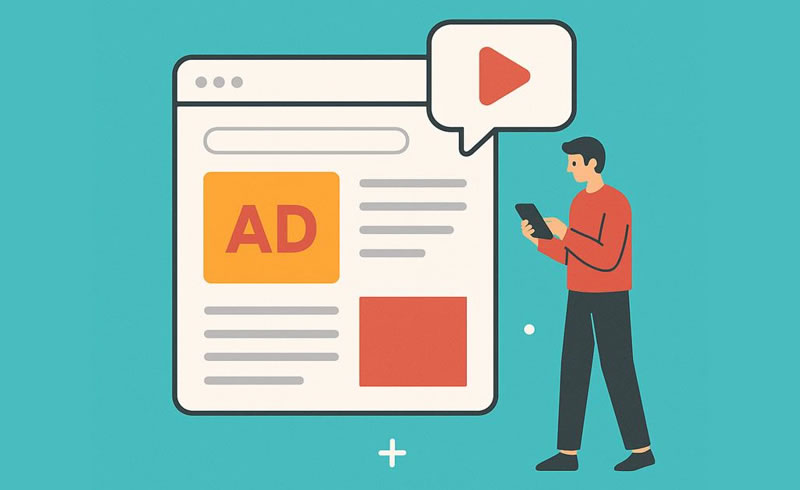
Native advertising involves placing sponsored content that matches the look and feel of the platform on which it appears – essentially ads that read like editorial articles or stories. For charities, this might mean writing a featured article or listicle on a news website, online magazine, or popular blog to highlight your cause in a more storytelling way, with a subtle call-to-action to donate or get involved. Because native ads blend in with regular content, readers are more likely to engage with them compared to obvious banner ads. In a fundraising context, a sponsored article could educate readers about an issue (e.g. an op-ed about the importance of Qurbani donations in war-torn regions) and naturally lead into how your organisation is addressing that issue and needs support. It’s a form of content marketing delivered via paid placement.
Real-World Example
A well-known example of native content is when WaterAid partnered with The Guardian to publish a long-form story from the field, raising awareness about clean water scarcity – the piece was marked as sponsored by WaterAid and included a donate link at the end. In the Muslim charity sector, we’ve seen platforms like MuslimMatters host sponsored posts where an Islamic charity shares a compelling narrative (say, a day in the life of an orphan sponsored through their program) that educates readers and gently prompts support. Another instance is using Muslim lifestyle blogs or news sites to run sponsored “advorials” – for example, an article on a popular Islamic finance blog about the blessings of Sadaqah, sponsored by a charity with a link to their Sadaqah campaign. Because the content is useful and relevant, readers don’t feel “advertised to,” making them more receptive to the message.
Key Benefits:
- Higher Attention and Trust: Native ads typically garner 50%+ more attention than standard display ads. People are in content-consumption mode and absorb the story without the barrier of thinking “this is an ad.” By providing valuable or inspiring information, you build trust. Readers who learn something new about your cause are more likely to view your organisation as authoritative and compassionate, which warms them up to the idea of donating.
- Subtle Yet Effective Conversion: Because the call-to-action in native content is woven in naturally (often at the end or via a soft suggestion), it feels like the reader’s idea to support you, rather than a hard sell. This can lead to quality donor acquisition – those who convert after reading a 800-word article about your cause are usually deeply interested and potentially long-term supporters. Studies have shown native content can increase intent to donate by around 18% on average. Essentially, it’s good for both branding and fundraising: even those who don’t donate immediately have now increased awareness and positive sentiment about your charity, which pays off later.
Expands Audience Through New Channels: By placing sponsored content on popular media outlets or blogs, you tap into audiences you might not reach through your own website or social media. For example, an Islamic charity could reach readers of a mainstream news site during Ramadan by sponsoring a human-interest story there. Native ads thus allow you to go outside your usual follower base and appeal to sympathetic readers of various publications – a useful way to find new donor communities.

7. Content Marketing (Videos, Blogs, Education)
Content marketing is all about creating and sharing informative or entertaining content that draws people in and builds a relationship between supporters and your mission. Rather than a direct appeal, content marketing provides value – it could be educational guides, inspiring videos, insightful infographics, or thought-provoking blog posts – with the underlying goal of engaging your audience and motivating them to support your cause. For charities, especially Islamic charities, this might include producing short documentaries of your field work, writing blogs that connect charitable giving with faith teachings, publishing Zakat calculators and guides, hosting webinars on topics like “Maximising Your Impact During Ramadan,” or creating infographics about global poverty statistics. Over time, this content establishes your credibility and keeps donors and prospects returning to your platforms.
Real-World Example
LaunchGood often shares success stories of campaigns on its blog, which not only celebrate those initiatives but inspire others to contribute or start their own campaigns. During Ramadan, many charities release daily reflection videos or devotions – for instance, Islamic Relief produced a video series highlighting personal stories of people who received aid, released episodically through the month, which kept supporters emotionally invested (and more likely to donate on the Night of Power when they saw the cumulative impact).
Another great example is the National Zakat Foundation (NZF) in the UK: they publish detailed online Zakat guides and host live Q&A sessions about Zakat every year. This educational content draws thousands of Muslims looking for guidance; in the process, NZF becomes a trusted authority and naturally the go-to organisation for Zakat donations. The key thread in these examples is providing value and storytelling, rather than just asking for money upfront.
Key Benefits:
- Greater Engagement and Social Sharing: Quality content dramatically increases engagement levels. Social media posts accompanied by strong visuals (images or videos) get far more traction – in fact, posts with visuals see 650% higher engagement on average. People are also much more likely to share content that educates or inspires them, which can lead to your charity “going viral” in a positive way. A striking infographic about how donations are used, or a compelling personal story in blog form, can be shared by supporters with their networks, organically widening your reach at no extra cost.
- Builds Trust and Authority: When you consistently put out knowledgeable and helpful content, supporters come to see your organisation as an expert and leader in the space. For example, if your charity regularly shares updates about how aid is delivered in crisis zones, donors feel more confident that you know what you’re doing. Educational content (like explaining how Gift Aid works or how to calculate Nisab for Zakat) not only helps people, but also positions your team as trustworthy advisors. This credibility makes donors more comfortable and committed in giving, knowing their donation is in capable hands.
- Long-Term Organic Growth: Unlike ads which stop being effective once the budget runs out, good content can continue attracting people for months or years. A well-written blog post can rank on Google and bring in steady traffic (and donations) long after it’s published. Videos on YouTube can be discovered by new audiences worldwide. This means content marketing compounds over time – each piece is an asset that keeps working. It also complements other channels: for instance, the content you create can fuel your social media posts, email newsletters, and even inform your ad messaging. Overall, this leads to a more robust, self-sustaining funnel of engaged supporters.

8. Affiliate Marketing (Performance-Based Partnerships)
Affiliate marketing is a performance-based fundraising approach where third-party publishers (affiliates) promote your charity to their audiences and earn a commission for each donation they help generate. In practice, a charity sets up an affiliate program (often via an affiliate network platform) and provides trackable links or codes to bloggers, influencers, comparison websites, even community organisations. These affiliates then share those links in their content – for example, a popular Muslim lifestyle YouTuber might include a charity’s donation link in their video description, or a cashback website might list a charity so users can donate their cashback. When someone donates through that link, the affiliate gets a small percentage reward, and the charity gets the donation (minus the commission). It’s essentially paying for results: you only incur a cost when a donation actually comes in, making it a low-risk, high-reward model for expanding your donor base.
Real-World Example
A noteworthy case is a UK-based nonprofit (understood to be one of the early adopters of charity affiliate partnerships) that raised £3.5 million in just 12 months through affiliate fundraising. They achieved this by partnering with dozens of content creators and websites that appealed to their target demographic, effectively turning those partners into an extended marketing force working on commission.
Another example in the Islamic charity space is the use of platforms like Easyfundraising or Give as you Live by mosque charities and community organisations. These platforms allow supporters to automatically donate a portion of their online shopping spend to the charity of their choice, via affiliate links with retailers. Over time, many small contributions from everyday purchases add up – for instance, some UK mosques have earned tens of thousands of pounds from congregants shopping via these affiliate schemes. AMCM Agency’s own experience managing affiliate campaigns for charities consistently shows that affiliate marketing can quickly tap into new donor segments (especially younger, digital-savvy supporters) with minimal upfront cost.
Key Benefits:
- Pay-for-Performance = Minimal Risk: Unlike traditional advertising where you pay regardless of results, affiliate marketing costs nothing unless it succeeds. Your charity sets a commission (say 5-10% of the donation amount) as an incentive. If no donations come in, you owe nothing; if a lot do, you happily pay a small share because you’ve raised net positive funds. This model is extremely budget-friendly for charities and ensures every marketing dollar (or pound) is justified.
- Expanded Reach Through Partners: Affiliates act as ambassadors who have their own followers and site visitors. By recruiting affiliates aligned with your values – for example, Islamic finance bloggers, popular imams on social media, or Muslim deal-finding websites – you gain exposure to audiences you might never reach otherwise. It’s effectively word-of-mouth at scale, powered by a small financial incentive. As these partners promote your cause, your donor acquisition grows exponentially beyond the limits of your in-house marketing.
- Scalable and Measurable: An affiliate program can ramp up quickly. You might start with a handful of partners and end up with hundreds if the program gains traction. It’s also easy to track exactly which affiliate brought in which donation through the network’s dashboard, so you get clear insights into which partners or content are most effective. Over time, you can optimise commissions and campaigns to focus on high performers. Additionally, affiliate marketing often attracts younger, tech-savvy donors who like the idea that their everyday actions (like shopping or sharing a link) can support charity – engaging this demographic boosts your charity’s future donor pipeline.
AMCM.Agency – On average, charities that embrace affiliate marketing see a significant boost in fundraising. Our team’s data shows that affiliate programs managed by AMCM Agency have helped charities raise around 20% more in donations annually compared to before – all with low upfront investment. This underscores how powerful performance-based partnerships can be for scalable growth.

9. Data-Driven Marketing & Reporting (Analytics & Optimisation)
Data-driven marketing means using analytics and evidence to guide your campaign decisions and continually optimise performance. Rather than relying on gut feeling, charities today can track almost every aspect of their digital outreach: website traffic, email open and click rates, conversion rates on donation pages, cost per click on ads, donor demographics and behavior patterns, and more. By setting up proper analytics (e.g. Google Analytics, Facebook Pixel, CRM reports) and dashboards, your team can see what’s working and what isn’t in real time. Equally important is running experiments – A/B testing different email subject lines or page designs, trying new audience segments in ads, etc., and then doubling down on the winners. Over months and years, this data-driven approach greatly increases marketing ROI, because you allocate resources to strategies that have proven impact.
Real-World Example
Islamic Relief’s Ramadan digital campaign offers a great illustration of data-driven optimisation. They analysed years of Google Ads data to identify which keywords led to the most donations and found, for example, that specific long-tail phrases like “Ramadan orphan sponsorship UK” had high conversion rates. By reallocating budget to those high-performing keywords (and even using Google Ad Grants for lower-performing terms to still maintain visibility at zero cost), they achieved a 39% increase in donations attributed to search traffic during Ramadan torchbox.com.
On the website side, they used analytics to discover drop-off points in the donation funnel and simplified those pages, resulting in improved conversion. Another example: a charity noticed via Facebook Analytics that video posts were getting far better engagement than image posts for a particular campaign. In response, they shifted their content plan to include more short videos, which then led to higher click-through to their donation page. In each case, the decisions were driven by real supporter data, not just assumptions.
Key Benefits:
- Maximise ROI by Focusing on What Works: When you track key metrics (like cost per acquisition for each channel or click-through rate for each message), you can allocate your budget to the highest performers and cut spend on underperformers. For instance, if data shows email appeals about water projects yield larger gifts than social media posts about the same project, you might invest more in email. This ensures every pound or dollar is well spent, and collectively you raise more with the same budget. Data-driven tweaks can yield big gains – even a few percentage points improvement each month compounds to substantial growth in donations.
- Faster Learning and Adaptation: Analytics give you near-instant feedback. You don’t have to wait until a campaign is over to know how it did; you can see day by day which content is resonating or which audience is responding. This agility means you can adjust messaging mid-campaign (for example, if a certain Facebook ad is getting lots of engagement from viewers in a particular country, you might create a version of the ad specifically for that country’s audience to further boost results). Essentially, data acts as a compass so you’re never flying blind in your marketing – you learn and improve continuously.
Holistic View of the Donor Journey: By integrating data from all channels, you can understand the full journey supporters take – maybe a person first clicked a social ad, then read a blog post, then joined your email list, and eventually donated after an email appeal. Tracking this multi-touch journey highlights how your strategies work together. It might reveal, for example, that donors who watch your YouTube videos have a higher lifetime donation value – prompting you to invest more in video content. Data helps identify these insights and validate the synergistic effects of your efforts, which in turn informs strategy at the leadership level (e.g., proving the value of digital marketing investments to your board with hard numbers).

10. Search Engine Optimisation (SEO)
Search Engine Optimisation (SEO) is the practice of improving your website and content so that it ranks higher in search engine results for relevant queries, thus driving more organic (unpaid) traffic. For charities, SEO is a vital long-term strategy: when someone searches for things like “Islamic charity UK” or “how to give sadaqah online,” you want your website or campaign page to appear on the first page of Google results. Traditional SEO involves keyword research (understanding what terms people use), on-page optimisation (using those terms naturally in your content, and providing comprehensive, useful information), technical tweaks (ensuring your site is fast and mobile-friendly), and building credibility through backlinks (getting other reputable sites to link to yours).
What’s new is the rise of AI-driven search – platforms like the emerging Google SGE (Search Generative Experience) and AI assistants like Bing Chat or ChatGPT that provide answers directly. This means charities should also optimise content for Answer Engine Optimisation (AEO) – making content easy for AI to pick as a direct answer (for example, having clear FAQ sections, definitions, and concise answers to common questions about your cause) – and for Generative Engine Optimisation (GEO), which is about ensuring your content is authoritative and detailed enough that AI chatbots will draw on it when formulating longer responses.
Real-World Example
A charity that invested heavily in SEO is Charity: Water. By maintaining a rich blog and information pages about the water crisis, they rank at the top for many related searches, bringing in countless supporters who discovered them via Google. In the Islamic context, LaunchGood optimised its campaign pages and site so well that if you search for many Muslim charity campaigns or even general terms like “Ramadan crowdfunding”, LaunchGood often appears near the top, giving it a steady stream of organic users. As for AI search, forward-thinking organisations have started structuring their content with Q&As – for instance, an Islamic charity might publish an article titled “What is Zakat? How does it work in the UK context?” with clearly labeled question-and-answer sections. This content could be picked up by a future AI assistant; so if someone asks ChatGPT “How can I calculate my Zakat?”, the answer might cite or pull info from that charity’s page, indirectly guiding the user to the organisation. Optimising now for AI ensures you’re not left invisible as more people use voice or chat-based search.
Key Benefits:
- Sustainable Organic Donor Acquisition: SEO, once achieved, is like a gift that keeps on giving. Roughly 44% of traffic to nonprofit websites comes from search engines, which is huge. Ranking well means a continuous influx of potential donors without paying for each click. This reduces the need for advertising spend in the long run and insulates your outreach from ad market volatility. Especially for global Islamic charities, being easily found by the diaspora worldwide via Google is crucial – people can’t donate to you if they don’t know you exist! SEO ensures you capture those who are actively looking to give or get information.
- Authority and Credibility: Appearing at the top of search results (or as the featured snippet/answer) carries an implied endorsement – users tend to trust top results. If your charity consistently shows up for searches like “best Muslim charity for education” or “how to donate my zakat”, it builds a perception that you are a leading authority in that space. Moreover, the process of improving SEO (creating high-quality content, earning backlinks from respected sites) inherently boosts your credibility. Other sites referencing your work is like digital word-of-mouth – it signals to users (and search algorithms) that your organisation is trustworthy and significant.
Adaptability to Future Search Trends: By embracing AEO and GEO – optimising for answer engines and generative AI – you future-proof your digital presence. We know that more people will be asking Alexa, Siri, or ChatGPT for recommendations instead of manually browsing. If your content is structured and rich enough to be the one these assistants rely on (“Which charity should I donate to for Pakistan flood relief?”), you stand to gain early-mover advantage. In sum, good SEO practices combined with AI search optimisation mean your charity will be discoverable across all the ways people seek information, driving both awareness and donations in a landscape where being seen is half the battle.
11. Conversion Rate Optimisation & UX Enhancements
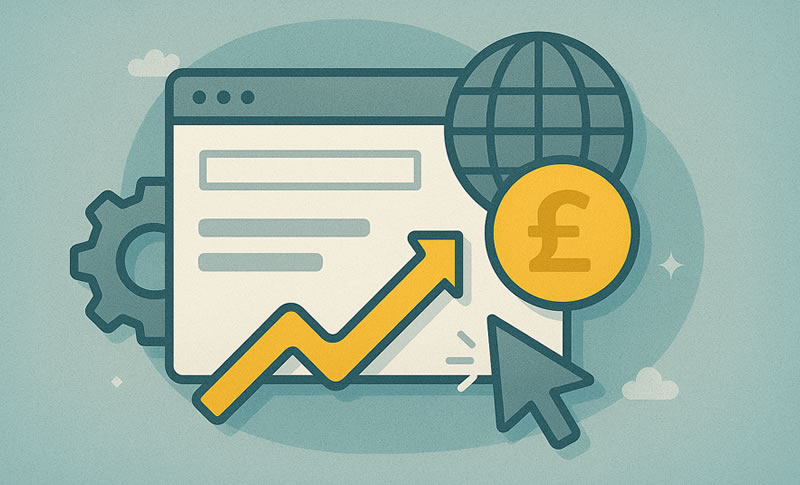
Conversion Rate Optimisation (CRO) is the art and science of improving your website or app so that a higher percentage of visitors take the desired action – in this case, making a donation. It goes hand-in-hand with User Experience (UX) enhancements, which aim to make the supporter’s journey as smooth and intuitive as possible. Essentially, it’s about removing friction and adding persuasive design elements to nudge visitors to complete their donations. Tactics include simplifying donation forms (fewer fields to fill, offering preset donation amounts), improving page load speed (slow pages cause drop-offs), making sure the site looks and works great on mobile, using clear calls-to-action (“Donate Now” buttons that stand out), and adding trust signals and motivators (like donor testimonials, impact metrics, or urgency timers for campaigns). Even subtle changes – a different button color or reorganising content to put the important info first – can lift conversion rates.
Real-World Example
Consider MyTenNights, a platform many Muslims use to automate donations during the last ten nights of Ramadan. They optimised their UX such that the process of scheduling donations is incredibly straightforward – as a result, they’ve seen high completion rates for people setting up their Ramadan giving. Another example: Cancer Research UK revamped its donation pages a few years ago, reducing the steps in the checkout and adding a progress bar to show how close a donor was to finishing. This change reportedly increased their conversion rate substantially, translating to millions more in donations annually.
In the Islamic charity realm, one organisation noticed that many users were dropping off at the stage where they had to enter credit card details. By integrating PayPal and Apple/Google Pay for one-click giving, they removed that barrier and saw an immediate jump in completed donations. These cases highlight that by understanding user behavior (through tools like Google Analytics or Hotjar recordings) and iteratively improving your site’s design, you can significantly boost the funds raised without needing a single extra visitor.
Key Benefits:
- More Donations from Existing Traffic: Even a small improvement in conversion rate has a big financial payoff. If 100,000 people visit your campaign page and 2% donate, that’s 2,000 donors. If you raise that conversion to 3%, that’s 3,000 donors – a 50% increase, potentially equating to millions in extra funds at scale. CRO is essentially making the most of the opportunity you already have. It’s often easier and cheaper to convert one more out of ten existing visitors than to simply bring ten additional visitors. For charities with high web traffic (like large crowdfunding platforms), a 1-2 point conversion boost can translate into tens of millions more in donations over time.
- Improved Donor Experience and Trust: A well-designed, fast, and user-friendly site doesn’t just increase donations today – it leaves users with a positive impression that can lead to future engagement. If donating on your site is a painless, even uplifting experience (no frustrating errors, nicely designed pages, a heartfelt thank-you message at the end), donors are more likely to give again or recommend your site to others. On the flip side, if the process is clunky, you may lose them not just in the moment but forever. Optimising UX also means catering to modern expectations: for instance, ensuring mobile-friendliness is key as a huge chunk of donors complete donations on smartphones. A faster site and smoother flow inherently build trust – donors feel their money is in good hands if your digital presence is professional and caring.
Data-Driven Iteration for Continual Growth: CRO instills a culture of continuous improvement. You might A/B test the placement of a “Donate” button or try different images and see which yields better results. Over time, you gather insights about your supporters’ preferences (maybe donors give larger amounts when the impact is stated upfront, or perhaps adding a matching donation banner increases response). This learning allows you to refine not just one campaign page, but all your future campaigns. It’s a compounding benefit – each improvement builds on the last. Moreover, many CRO and UX improvements (like faster loading and better navigation) benefit all users across all pages, including campaigners and information-seekers, thereby enhancing your overall brand reputation and effectiveness.
12. Data-Driven Donor Segmentation & Personalisation
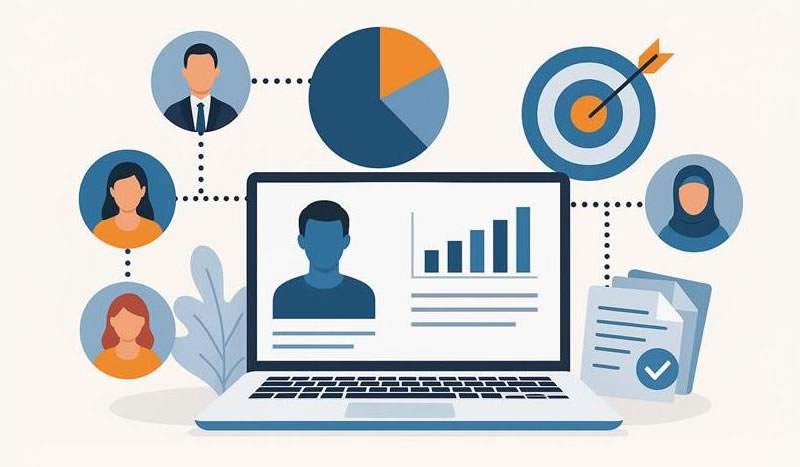
Not all supporters are the same, so your communications shouldn’t treat them as such. Data-driven segmentation involves dividing your donor and supporter base into meaningful groups based on characteristics like demographics (age, location), donation history (one-time vs recurring, small donors vs major donors, lapsed donors who haven’t given in a while), interests (which causes or projects they support), and engagement level (do they open emails? attend events?).
Once you have these segments, you can personalise your outreach to each group, making your messaging far more relevant and impactful. For example, you might identify a segment of young professionals who gave during Ramadan but never again – they could be targeted with a special “Ramadan Recurring Giving Challenge” email series to convert them into monthly donors. Or a segment of loyal older donors could receive phone calls or personalised letters to acknowledge their long-term support. Personalisation can be as simple as addressing supporters by name and referencing their past donations in emails, or as sophisticated as dynamically changing website content based on the visitor’s profile (e.g., showing different homepage banners to a first-time visitor versus a regular donor).
Real-World Example
UNICEF uses segmentation extensively; they have different email streams for first-time donors, repeat donors, and non-donors who signed up for newsletters. The content and asks in each stream are tailored – first-timers get more educational material about UNICEF’s mission before being asked for another gift, whereas repeat donors might get a report on the impact of their last donation along with an invitation to join a higher tier giving club.
In the Islamic charity context, consider a platform like LaunchGood which has data on campaign preferences: someone who frequently donates to education projects could be tagged in that segment, and then shown more education-related campaigns or sent relevant project updates, increasing the likelihood they continue to give. Another simple example: Islamic Relief sometimes sends specific mailings to past Zakat donors right before Ramadan, with messaging like “Fulfill Your Zakat with Us Again – here’s how we used your last Zakat” – this targeted approach often reactivates those donors better than a generic ask would. Segmentation like this ensures each donor feels seen and understood, rather than bombarded with one-size-fits-all appeals.
Key Benefits:
- Higher Response and Conversion Rates: Personalised appeals vastly outperform generic mass messaging. Studies show that segmented and targeted campaigns can achieve 2-3 times higher response rates than non-segmented campaigns. People are simply more likely to engage when the message resonates with their interests or situation. For instance, an SMS reminding a lapsed donor of a cause they once supported (“You helped build a well in 2019 – the community remembers you. We invite you to help again.”) is far more compelling than a generic “Please donate” blast. This means more donations and engagement overall from the same pool of contacts.
- Improved Donor Retention: When supporters receive communications that are relevant to them, they feel a stronger connection and loyalty to your charity. They don’t get annoyed by irrelevant asks, and they see that you remember their preferences and contributions. Over time, this tailored approach makes donors more likely to stick around. For example, if a donor usually gives during Dhul Hijjah, getting a friendly reminder each year ahead of that period (as opposed to many asks throughout the year for other things) will likely prompt them to continue that habit with you. Retaining donors (and increasing their lifetime value) is one of the biggest benefits of segmentation – it costs far less to retain and re-engage an existing donor than to acquire a new one from scratch.
More Effective Use of Channels: Segmentation also means you can choose the best channel for each group. Your data might show that younger donors respond better to WhatsApp or Instagram DMs, whereas older ones prefer email or even direct mail. By utilising the right channel with the right message for each segment, you increase the efficiency of your marketing spend and effort. You’re not wasting resources communicating in ways that your audience doesn’t respond to. Ultimately, data-driven segmentation leads to a smarter strategy: each supporter receives the kind of outreach most likely to inspire them, which in aggregate boosts the success of every campaign and builds a more engaged supporter base.
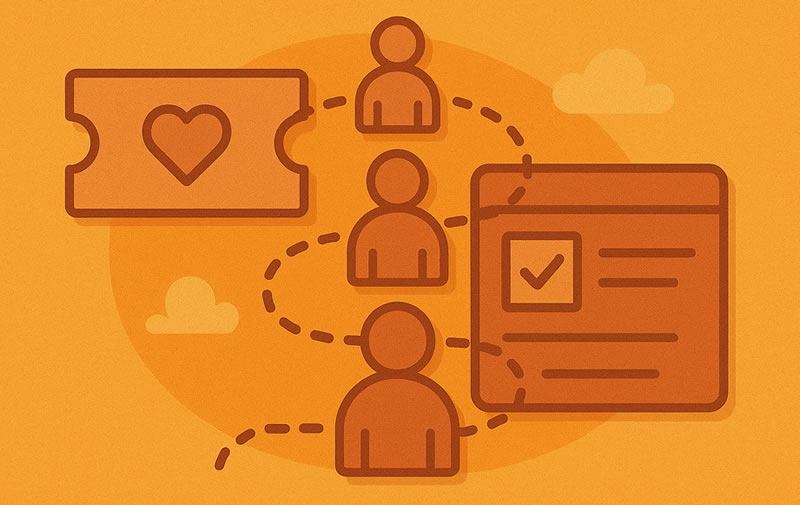
13. End-to-End Donor Journey Optimisation
Optimising the end-to-end donor journey means taking a holistic look at every step a potential supporter goes through – from the moment they become aware of your organisation or campaign, all the way through to the donation and beyond (follow-up and retention) – and ensuring that this journey is seamless, positive, and persuasive. It’s about designing the entire experience with the donor in mind.
This can involve multiple elements: clear navigation on your website so users can easily find causes that interest them, personalised landing pages for specific campaigns or donor segments (for example, if you send out an email about an emergency flood appeal, the link leads to a dedicated landing page that speaks directly about that emergency and addresses the email recipient by name), progress indicators during multi-step donations to reduce anxiety (“you’re 60% done!” on a 3-step form), and a robust post-donation process like thank-you emails, receipts, and even impact updates later on to close the loop. Increasingly, organisations are using AI and smart tools to assist in this – for instance, using AI to recommend the next best action to a donor on the site (“Since you donated to our Syria campaign, you might be interested in our Yemen project as well”) or to automate personalised thank you videos.
Real-World Example
World Vision mapped out their donor journey and identified that many people discovered them through child sponsorship pages but didn’t complete the sign-up because they wanted to explore other parts of the site. In response, World Vision redesigned their onboarding – if a user showed interest in sponsorship but left, the site would later show them a gentle reminder or a prompt like “Have questions about sponsorship? Chat with us.” This helped re-engage folks who were slipping away.
Closer to the Islamic charity sphere, Human Appeal did a donor journey overhaul for their Ramadan campaign: they ensured that any click on a Ramadan banner led to a tailored page highlighting Ramadan-specific giving options (Zakat, Fidya, Iftar meals, etc.), used a one-click add-to-cart for multiple donations (so a donor could easily donate to several categories in one go), and then after donation, they were taken to a heartfelt “Ramadan Mubarak, thank you for your generosity” page with an option to share the campaign on social media. This comprehensive smoothing of the journey – from first click to sharing after donating – led to higher satisfaction and a notable increase in average donation per donor. The key takeaway from such examples is that optimising each link in the chain prevents donors from dropping off and encourages deeper involvement.
Key Benefits:
- Reduced Drop-Offs, Higher Conversions: When every step is optimised, fewer potential donors fall through the cracks. Think of it as plugging leaks in a funnel – there’s little point spending more on ads if, say, people are consistently dropping off at your confusing sign-up page. By fixing those pain points, you convert a higher percentage of interested individuals into actual donors. A smooth journey means someone who clicks a Facebook ad is more likely to complete the donation because nothing along the way discouraged or distracted them. This directly boosts your overall conversion rates and funds raised. As noted, even small upticks in conversion, when applied to large numbers of users, translate to a big impact on revenue.
- Better Donor Experience Leads to Repeat Giving: The way a donor feels during and after the donation process influences whether they’ll give again. If the experience is positive – easy, fast, and maybe even emotionally rewarding – they are more inclined to come back. Journey optimisation places emphasis on the post-donation experience too: for example, sending a warm, personalised thank you email within minutes, followed by a report of how their gift was used, makes donors feel valued and confident in their choice. This strengthens their loyalty. A donor who is thanked properly and shown impact is far more likely to become a regular supporter or to donate the next time you ask. In contrast, a poor experience (like not getting a receipt, or feeling confused during the process) might deter future engagement.
Synergy of All Channels and Touchpoints: Taking an end-to-end view forces your team to break down silos between channels. The donor doesn’t care which department handles the website versus emails – to them, it’s one continuous journey with your organisation. By optimizing holistically, you ensure consistency in messaging (the story in the ad matches the story on the landing page), and you can better coordinate multi-channel efforts (maybe a donor gets an SMS reminder if they started a donation but didn’t finish it online). Everything works in harmony. This also often reveals opportunities to introduce new touchpoints: for instance, maybe adding a live chat support on the donation page for those who have last-minute questions, or a “refer a friend” prompt after donating to capitalize on the donor’s good feeling. In essence, an optimised journey amplifies the effectiveness of all the prior marketing segments we discussed – your ads, content, emails, and so on all yield greater results because the path to completing a donation (and continuing the relationship) has been thoroughly refined for peak performance.

14. NEW: Emerging Channels – Generative Engine Optimisation (GEO) & Answer Engine Optimisation (AEO)
The digital landscape is ever-evolving, and the newest frontier for marketers is optimising for AI-driven “answer” platforms and generative search engines. This includes voice assistants (like Alexa, Google Assistant), chatbots (like ChatGPT, which many people now use to get answers instead of searching), and new hybrid search engines like Google’s upcoming Search Generative Experience (SGE) that will use AI to compile answers for users.
Answer Engine Optimisation (AEO) is the practice of structuring your content such that these AI-powered answer engines can easily find concise, factual answers from it. For example, ensuring your charity’s FAQ page has clear Q&A pairs (“Q: What percentage of my donation goes to the cause? A: 90%…”) can help your answer be the one a voice assistant reads out or a chatbot displays.
Generative Engine Optimisation (GEO), on the other hand, is about providing comprehensive, authoritative content that AI models will draw upon when generating longer, more nuanced responses. This might mean publishing in-depth articles about issues you work on, with lots of context and references, so that when an AI is formulating an answer to a broad question (“How can I help refugees in Jordan?”), it might pull information from your content or even cite it as a source.
Real-World Example
Since this is a very new area, concrete charity-specific examples are still emerging, but we can see parallels in the business world: companies are now actively optimising their content to appear in ChatGPT’s recommendations or Bing Chat’s answers. For instance, a travel charity might ensure they have a well-structured page answering “What are the most effective ways to support refugees?” so that if someone asks an AI assistant that question, the assistant might respond with an answer that mentions that charity’s programs or approach. We’ve already seen Google’s featured snippets (which are an early form of answer engine results) driving traffic to sites that provide succinct answers.
One charity case: Save the Children has a webpage titled “What is child sponsorship?” that ranks high and often gets picked as a snippet; if an AI were asked that question, Save the Children’s content is primed to be used because it’s clear and authoritative. Looking ahead, imagine someone uses a voice assistant and asks, “Which charity should I give my Zakat to?” If your organisation has done GEO/AEO well – by having content around that query, structured data indicating you’re a charity, and a reputation for expertise in Zakat – the AI might verbally recommend your charity or at least include it in its synthesized answer. Being “AI-visible” is going to be as important as being Google-visible.
Key Benefits:
- Early Adopter Advantage: Few charities are thinking about GEO and AEO right now, so doing so can put you ahead of the curve. As AI assistants become a common way for people (especially younger, tech-forward individuals) to get recommendations and information, those organisations who have optimised for them will capture those opportunities first. It’s like the early days of SEO – the charities who invested in search optimisation before it was popular reaped huge gains. There’s a similar opportunity here: by structuring your FAQs, using schema markup on your site (to help machines understand your content), and creating rich informational resources, you increase the likelihood that AI will “choose” your content to answer users. This could funnel completely new audiences to you with little competition from others, at least for a while.
- Enhanced Visibility in Zero-Click Searches: AI-generated answers often provide what the user needs without the user having to click through to a website (hence “zero-click”). While this poses a challenge (fewer direct clicks), it also means your message or brand might reach people via the answer itself. If the AI says, for example, “Charity XYZ has an emergency fund where you can donate to help flood victims” in its answer, that awareness is valuable even if the user doesn’t immediately click. They might follow up with “Tell me more about Charity XYZ” or remember your name later. Essentially, by being part of the conversation in AI answers, you stay visible in the evolving user journey. Optimising for answer engines often involves providing succinct, well-phrased answers (which can double as featured snippets on Google today), so you’re covering both current and future search formats.
Improved Clarity and Structure of Your Content: To optimise for AI, you will naturally make your content more structured and clear – which in turn benefits all users and channels. For instance, creating a robust Q&A page anticipating common supporter questions not only might get you featured in voice search, but it also helps visitors on your site find information easily. Similarly, writing more in-depth content (for GEO) forces you to cover topics comprehensively, which likely boosts your traditional SEO as well since search algorithms reward thorough, authoritative content. So, investing in GEO/AEO isn’t a standalone task; it elevates the quality of your overall digital content, thereby supporting your broader marketing and supporter education efforts. In summary, optimising for ChatGPT, Alexa, and the like is really about ensuring your charity’s information is crystal-clear, accessible, and trusted – and that has multi-channel benefits, from search rankings to donor trust.
How Digital Marketing Drives Growth
Bringing together all twelve of these digital marketing facets, it’s clear that the whole is greater than the sum of its parts. A well-rounded digital strategy creates a virtuous cycle that propels charity growth in multiple dimensions:
- Wider Donor Acquisition Funnel: By leveraging diverse channels – search, social, email, content, affiliates, and more – you cast a wider net to reach potential supporters. Each channel feeds into the next: a social ad can bring someone to your site, where strong content and SEO might keep them engaged, and then an email signup prompt can turn them into a regular contact. This integrated approach ensures you’re not missing out on any segment of donors; whether someone is actively searching for a cause or passively browsing their feed, your charity is present and attractive. As a result, your supporter base grows not just in size but in diversity, spanning different age groups, geographies, and interests, which is crucial for long-term resilience.
- Higher Donor Retention & Lifetime Value: Digital marketing isn’t just about getting one-off donations – it truly shines in building lasting relationships. Through personalised email follow-ups, engaging social communities, and tailored content, donors feel more connected and informed about your mission. Strategies like segmentation (knowing what each donor cares about) and journey optimisation (making sure they feel valued at every touch) directly increase retention rates. When donors stick around year after year, their lifetime value multiplies – they might start with a small donation and eventually fundraise on your behalf or make a large gift. Plus, loyal donors often become ambassadors, bringing in new supporters via word-of-mouth (both online and offline). In essence, digital channels provide the tools to nurture supporters so well that they give more, stay longer, and act as force-multipliers for your cause.
- Improved Campaign Efficiency & Impact: The data and optimization side of digital marketing means you can raise more funds with the same or fewer resources. By analyzing what works and continuously refining your tactics, you reduce waste and focus energy where it counts. This might mean better ROI on ad spend, higher conversion on your donation pages, or smarter allocation of staff time towards effective outreach rather than guesswork. Efficiency gains allow you to scale up – if every pound spent on marketing is yielding a strong return, investing more into campaigns makes sense and drives exponential growth in donations. Moreover, digital campaigns can be measured in near real-time, allowing agile shifts to maximize impact (for example, quickly ramping up a trending campaign). Over time, these optimised efforts compound, giving your charity a significant edge in fundraising outcomes compared to a traditional approach.
- Global Reach and 24/7 Presence: One often overlooked aspect is how digital marketing breaks down geographical and time barriers. A solid digital strategy enables a local charity to attract donations from across the world, or an Islamic charity based in one country to mobilise support from the diaspora globally. And unlike physical events or phone calls, online channels work round the clock. Someone could discover your cause and donate at 3 AM via a Google search or after watching a YouTube video. This around-the-clock, worldwide reach is incredibly powerful for scalability – it means your growth isn’t constrained by office hours or borders. With strategies like multi-language content and targeted ads in different regions, you can unlock donor markets you never accessed before, fueling your growth beyond your immediate community.
In summary, digital marketing drives growth by expanding your reach, deepening donor relationships, and making every campaign more effective. Each segment we discussed contributes a piece to this puzzle: together, they create a robust engine for acquiring, converting, and retaining supporters at scale.
Conclusions
The digital marketing strategies outlined above are not just trendy add-ons; they have become fundamental to how modern charities achieve scalable and sustainable growth. By embracing channels from paid ads and SEO to content and AI optimisation, charities – including Islamic organisations with global ambitions – can dramatically amplify their fundraising and outreach. The common thread is integration: when all these tactics work in harmony, your charity builds a dynamic online presence that continuously attracts donations, engages supporters, and fuels your mission forward. In this final part of our series, we’ve seen that growth in the charity sector increasingly belongs to those willing to innovate and adapt in the digital realm.
Implementing an integrated digital marketing plan may seem complex, but you don’t have to navigate it alone. AMCM Agency is here to help charities put these pieces together into a winning strategy. We specialise in crafting and executing comprehensive digital fundraising campaigns – from setting up your analytics and SEO foundation, to managing high-impact ad campaigns and affiliate programs. Our team has deep experience in the charity sector and understands the unique nuances of engaging donors in a faith-aligned, mission-driven way. Whether it’s running culturally tailored social media ads during Eid, improving your website’s conversion flow, or optimising content for the latest AI search tools, we act as an extension of your team to deliver results.
One area we particularly champion is affiliate marketing, as it encapsulates the beauty of performance-driven growth. We have seen firsthand how a well-run affiliate programme can deliver a significant uplift in fundraising (often 20% or more in additional donations) with minimal upfront costs. It’s a prime example of scalable, win-win growth – and it’s an opportunity we believe no charity should miss, especially when looking to diversify and future-proof income.
What’s Next
If you’re ready to take your charity’s digital marketing to the next level, now is the time to act. As this Beyond Fundraising series comes to a close, we invite you to start a new chapter for your organisation. Get in touch with AMCM Agency for a personalised consultation – let’s identify the quick wins and long-term digital strategies that can elevate your fundraising. We’ll help you prioritise which channels to tackle first, and how to integrate them for maximum synergy. From launching your affiliate programme to refining your donor journey, our mission is to help you achieve measurable growth while you focus on what you do best: changing lives.
Contact us today to discover how a data-driven, multi-channel approach can unlock new donors and donations for your cause. Together, let’s transform your digital presence and multiply your impact – because when your charity grows, so does the good it can do in the world.
👉 Download our Media Pack to learn how AMCM Agency can launch and manage your charity’s affiliate fundraising program.


